






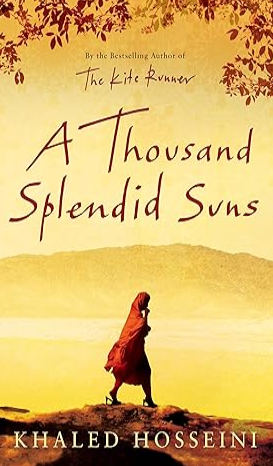
Background:
War, suffering, and extremists are the first thing that comes into people’s minds when they hear about the nation of Afghanistan, yet the novel A Thousand Splendid Suns shows the other side from those who lived through its tumultuous times. While fictional, the story is based on real events in Afghanistan in the 20th century, which the author, Khaled Hosseini, an Afghan-American, can convey firsthand in this multi-generational novel about love, loss, sorrow, and endurance.
The Role the Story Plays:
At the start of the novel, around the middle of the 20th century, we follow an Afghan girl named Mariam, who many call harāmi, or, as known in the West, Bastard. As is common in many cultures around the world, being born out of wedlock is seen as a stain, not only on the parents but on the child themselves. Miriam was born in a small village near the city of Herat, a center of culture, to
The story continues from her point of view, where the viewer can see the conditions her status and gender played on the Trajectory of her life, and the ways that she managed to endure as an Afghan woman in the coming age of the Taliban and extremist organizations. Yet, the novel also touches on the Cold War era and the conflict the Soviet Union had with Afghanistan.
What The Book Represents:
This novel provides a rich telling of culture, History, and survival of one of the most oppressed groups in human history, women, and this specific person I had tried to make the best of her life in a nation that put extreme regulations on her gender.