




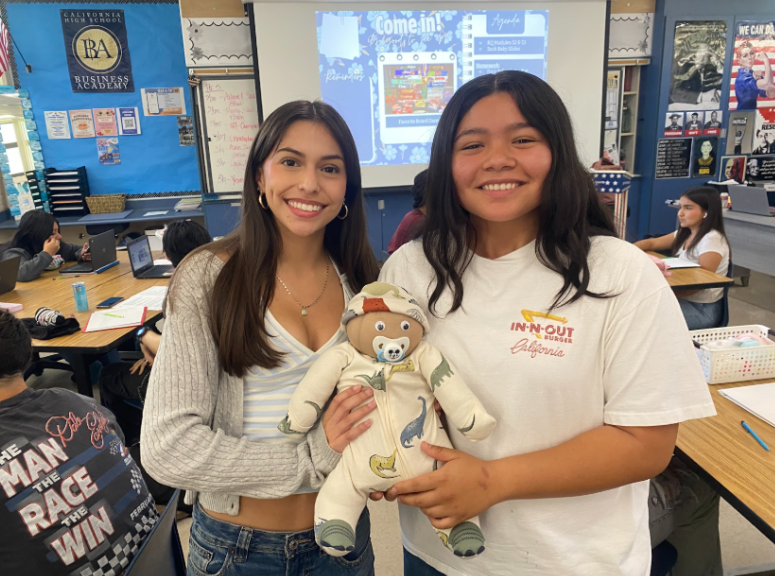
Walking through the hallways a few weeks ago, you might have noticed something unusual: students weren’t just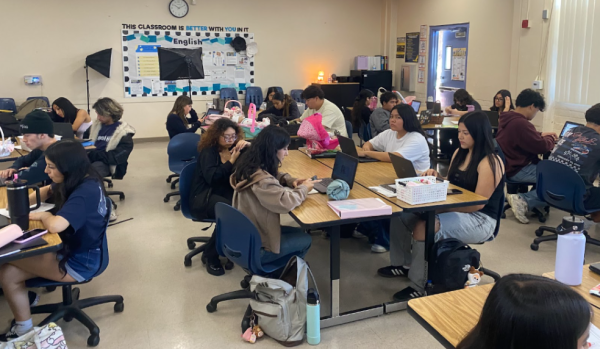 carrying backpacks and sports gear—they were cradling socks. These weren’t just laundry mishaps; they were the “infants” of the AP Psychology class, and they are part of one of the most anticipated traditions on campus.
In a recent interview, AP Psych teacher Mrs. Segura pulled back the curtain on the Sock Baby Project, a hands-on deep dive into the complexities of human growth and behavior. While the name might sound lighthearted, the academic stakes are high. The project serves as the centerpiece for the Developmental Psychology unit, where students move beyond definitions and into application.
“The goal of the project is to have my students care for someone else,” Mrs. Segura explained. As “parents,” students must navigate real-world scenarios through the lens of heavy-hitting psychological theories, including: Piaget’s Cognitive Stages: How children begin to process the world, Erikson’s Psychosocial Stages: The lifelong battle between trust, autonomy, and identity, and Ecological Systems Theory: How a child’s environment—from family to culture—shapes who they become.
“I thought the process of making them was fun and the way Segura set up the classroom for a “baby shower” said Blake Chiriboga.
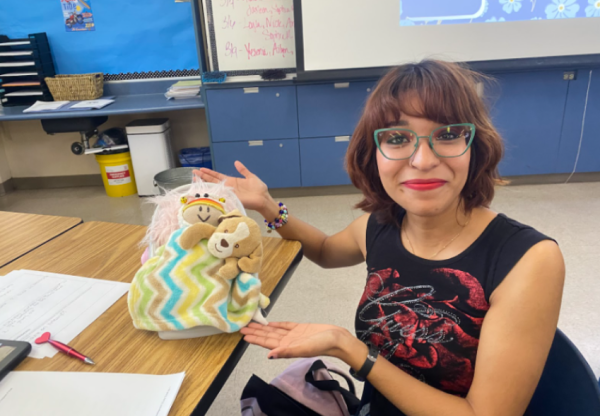 The social experiment has led to some hilarious—and telling—shifts in classroom culture. Mrs. Segura noted that the “social dynamics” change almost instantly. It’s not uncommon to see students gently patting their babies during a lecture or, more dramatically, witnessing heated “custody disputes” between student co-parents arguing over who gets the baby for the weekend.
However, the road to an “A” is paved with parenting pitfalls. According to Mrs. Segura, the most common “parenting fail” isn’t a lack of love—it’s unintentional abandonment. “I see them get up to go to the restroom and leave their baby unattended,” Mrs. Segura said, offering a “shoutout” to the fellow teachers who frequently find forgotten sock babies in other classrooms and return them to her.
Beyond the academic connections, the project seems to be achieving Mrs. Segura’s broader goal: fostering a deep respect for mental health and the labor of caregiving. Students report a newfound appreciation for their own parents and caregivers after realizing just how difficult it is to keep a “human (aka a sock)” safe for a week. “It was kind of a hassle, but it was fun, it taught me a lot about empathy and understanding,” noted Raymond.
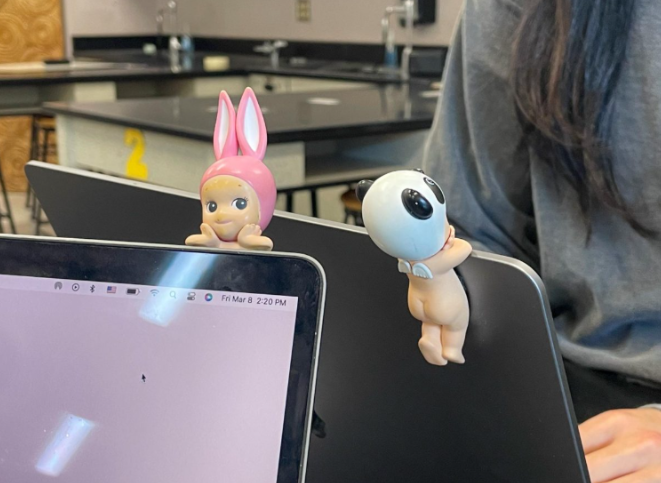
Of course, it wouldn’t be a school project without a bit of flair. From babies sporting miniature sombreros and cat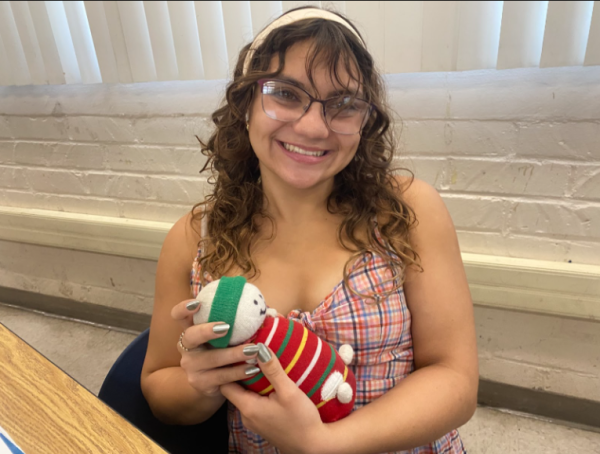 glasses to full wardrobes sourced from Build-A-Bear, the creativity on display is a testament to how much students invest in their temporary bundles of joy.
As the unit wraps up, one thing is clear: whether they are learning about Piaget or just trying to remember not to leave their “child” in the cafeteria, Mrs. Segura’s students are walking away with a much better understanding of what it means to grow up.