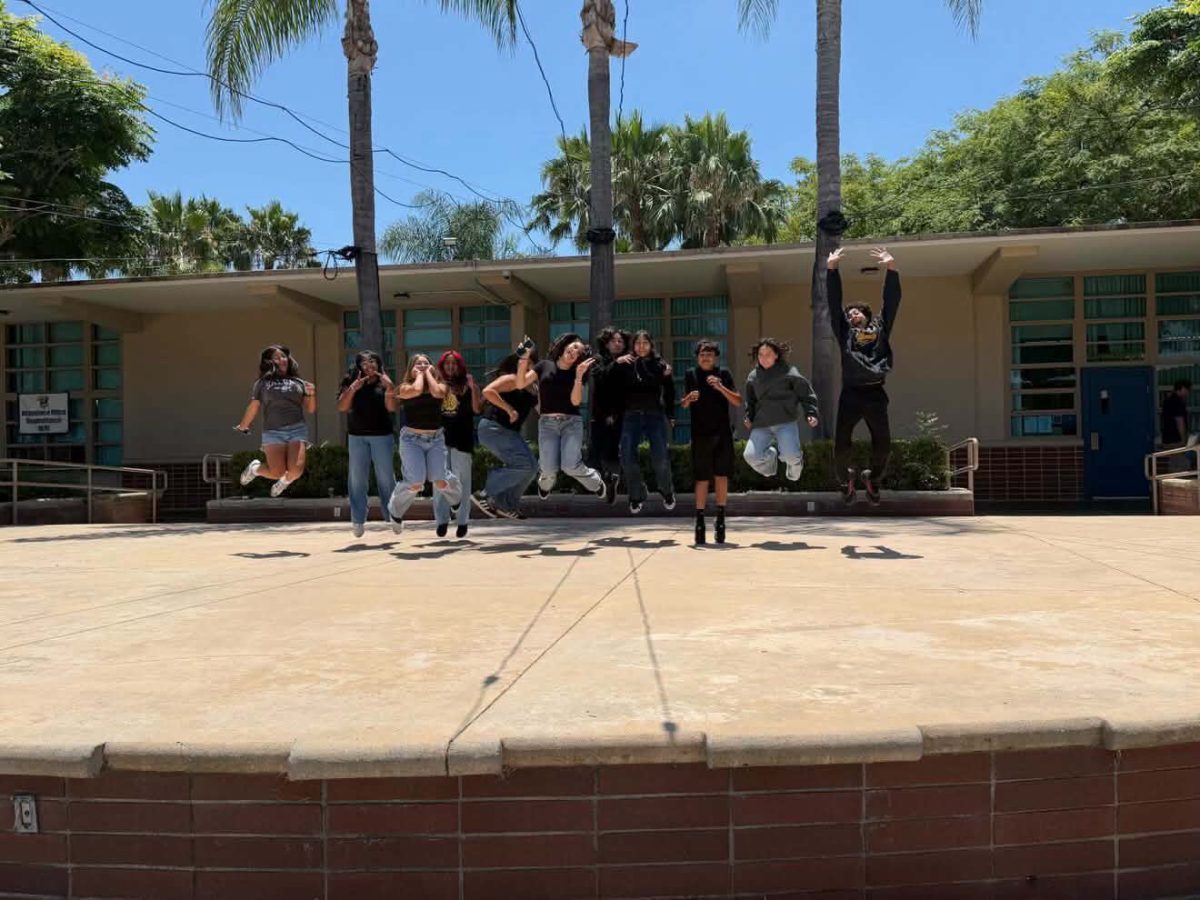

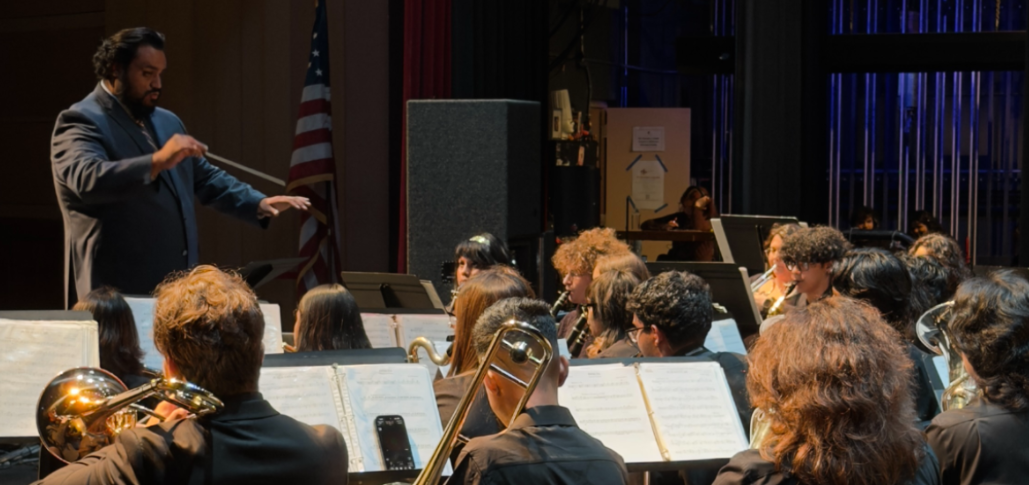




In the hallways of our school, a quiet but powerful shift is taking place. While the traditional image of a “leader” has often been painted with a masculine brush, the current landscape of student government, athletics, and campus clubs tells a different story. Through candid conversations with three of our most prominent student leaders—Estefania Salgado, Abbie Padilla, and Ryan Muetzel—it becomes clear that being a woman in leadership isn’t just about holding a title; it’s about navigating double standards, building community, and leading with a unique blend of empathy and assertion.
For many young women, the path to leadership is paved with labels. Estefania Salgado, Junior Class Council President, points out a frustrating reality: the thin line between being “a leader” and being “bossy.” “If I’m a quiet leader, then others don’t think I have a plan or I’m lazy,” Estefania explains. “Yet when I’m straightforward, I’m seen as too bossy or rude. My male classmates interpret it as me being an overachiever or a try-hard.”

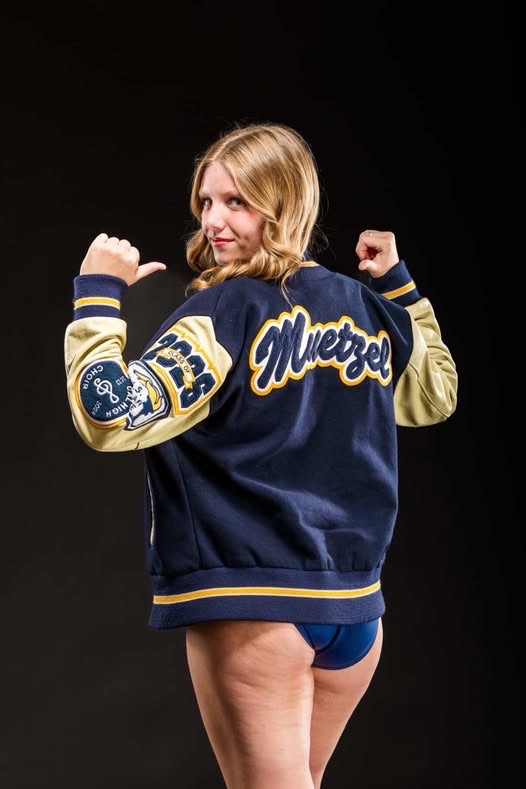
This sentiment is echoed by Ryan Muetzel, a multi-sport athlete and President of the Performance Club. Ryan notes that the volume of a woman’s voice is often judged differently than a man’s. “If I step up or raise my voice to take control of something spiraling, people think I’m being controlling. It’s much more noticeable when a woman does it than a man.”Despite these societal hurdles, these leaders have found that the most effective way to silence critics is through undeniable competence. Abbie Padilla, ASB President, recalls facing skepticism when she stepped into the Vice Presidency as a junior.
“I was occasionally put down,” Abbie admits. “But because I was good at planning, I was able to use my brains to earn respect. I think people are sometimes hesitant about a female leader, but because of my work ethic, I was able to gain their respect.”
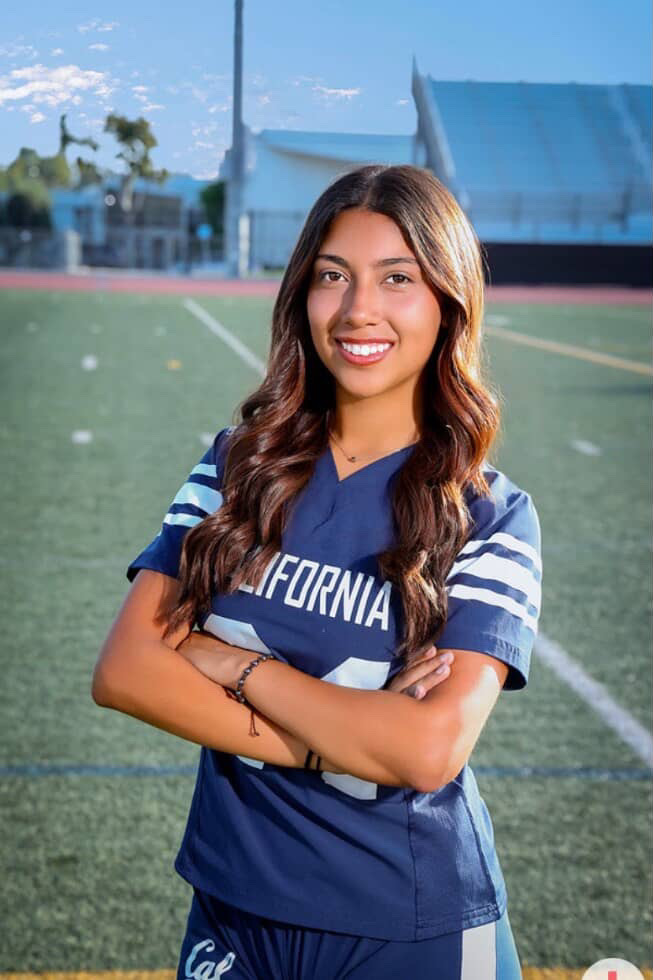
For Abbie, leadership is about evolution. She believes a great leader must be “calm, respectful, and confident, but also open-minded.” This adaptability allows her to govern a diverse student body and ensure that school events aren’t just “boring” obligations, but moments where students feel truly appreciated.
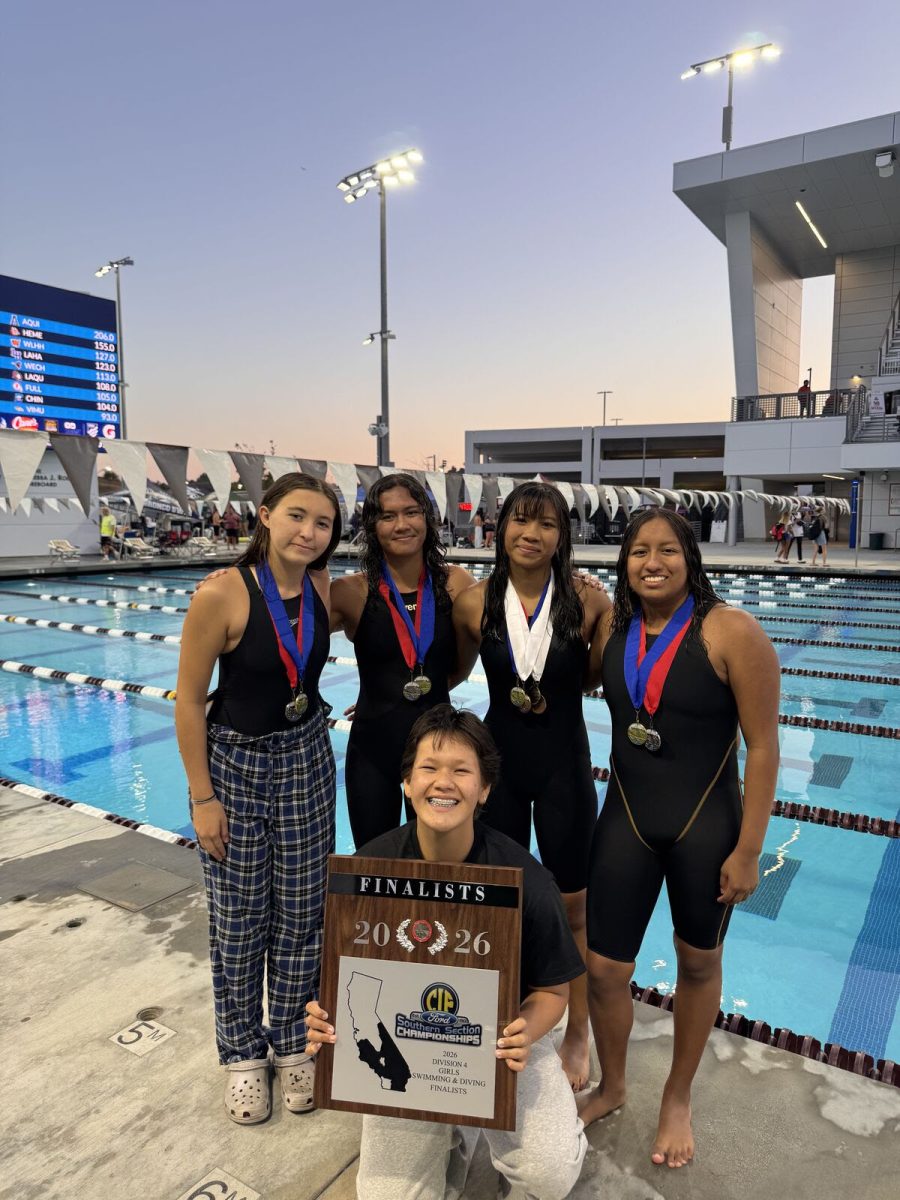
The pressure to conform to traditional femininity can be especially intense in the world of sports. Ryan Muetzel, a varsity water polo player and swimmer, reflects on the physical demands of her sport versus societal expectations.
“Water polo isn’t seen as a ‘feminine’ sport. We are very strong, pushy in the water, and we fight for our ground,” Ryan says. She acknowledges the personal journey of embracing a stronger build: “I’m assertive and dominant in the water… It doesn’t make me any less feminine; it just makes me more assertive.”
When asked what women bring to the table that their male counterparts might lack, the consensus was clear: collaboration. Estefania observes that in male-dominated groups, students are often excluded if they aren’t “interesting” or “friends” with the leader.
“With girls, they are able to compromise and look out for everyone,” Estefania says. “They include input and opinions, which makes the space more inviting.”
Ryan adds that the misconception of women being “too emotional” is just that—a misconception. “Women are very rational thinkers. We handle pressure very well and are considerate, working around others’ needs to make things work for everyone.”
As these seniors and juniors look toward the future—whether it’s Ryan’s goal of environmental engineering or Estefania’s advocacy for women’s rights—their message to the next generation of girls is one of universal solidarity.
“Every girl should have the opportunity to learn and lead,” Estefania concludes. “No matter where in the world—whether in the U.S. or Palestine—women have the capability to do hard things and pursue whatever they dream of.”
The era of the “accidental” female leader is over. On our campus, women aren’t just filling seats; they are redesigning the table.